August 30, 2026
I keep a mental list of the reasons women give me when they first reach out. Not the polished version they put in the inquiry form — the real one, the one that comes out ten minutes into the consultation once they stop explaining themselves. And lately, a pattern has been impossible to ignore: most of them aren’t booking because of a wedding, a boyfriend, or an anniversary. They’re booking because something in their life just changed, and they want proof of who they are on the other side of it.
The moments that actually bring women through the door
A divorce that took two years to finalize. A hundred pounds lost, or gained, or simply carried differently than it used to be. A fortieth or fiftieth birthday that felt less like a party and more like a line in the sand. A cancer diagnosis, or the year after one. A return to work after raising kids for a decade. None of these are “boudoir occasions” in the way a bridal shower is. But they’re the moments that actually make someone pick up the phone.
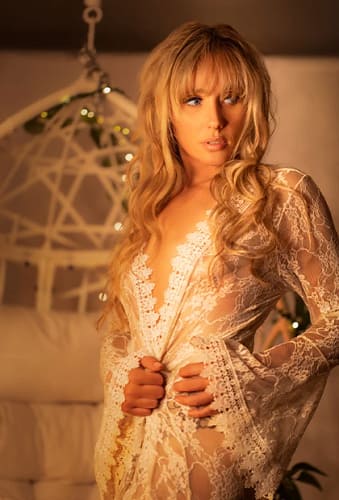
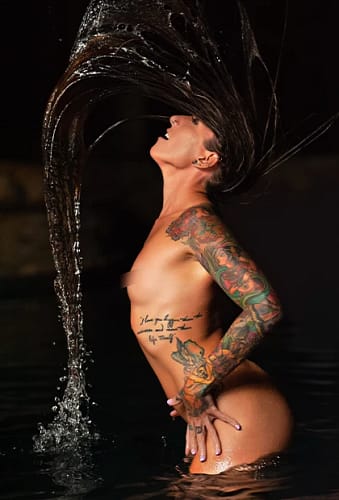
What they have in common is a body and a life that used to mean one thing, and now mean another. The photos aren’t a celebration of having “arrived” somewhere — most women I work with are still very much in the middle of figuring it out. They’re documentation. Proof that existed. A woman in her studio, in her skin, on a Tuesday in Chicago, exactly as she was.
Why the “after” doesn’t need to look like anyone else’s “before”
There’s a version of this kind of photography that quietly implies a body has to earn its way into being photographed — lose the weight first, heal first, get back to “yourself” first. I don’t work that way, and I’d gently push back on any photographer who does. The whole premise of a good session is that you don’t need to be finished with anything. You just need to show up as you are right now, because right now is the only version of you that actually exists.
That matters more for milestone sessions than almost any other kind, because the women booking them are usually mid-transition, not past it. The divorce isn’t fully behind her. The new body hasn’t become familiar yet. The diagnosis is still something she’s living with, not something she’s beaten. The photos don’t wait for a tidy ending.
What these sessions actually involve
Practically, they don’t look that different from any other session here — the same real conversation up front, the same private studio, the same amount of guidance if you’ve never done this before and want direction, or space if you already know what you’re after. The difference is mostly in the consultation. I ask more about the “why” than usual, because it shapes everything — what tone the images should have, what you want to feel when you look at them in five years, whether this is meant to be quiet and personal or something you’re ready to share.
If privacy is part of what’s making you hesitate — and for a lot of women going through something like this, it is — that’s a real and reasonable concern, not something to push past on your own. Here’s how I handle that, in plain terms.
You don’t need a bigger reason than the one you have
I want to say this plainly, because I think it gets lost: you don’t need your life change to be dramatic enough to “count.” A milestone birthday you’re ambivalent about is enough. A body that changed in a way only you have really noticed is enough. Wanting proof of yourself at a particular point in time, for no reason you can fully explain, is enough. I’ve never once needed someone to justify why now is the moment — that part is entirely yours to know or not know.
If something has shifted for you lately and you’ve been quietly wondering whether a session like this makes sense, it’s worth just asking. The contact page is there for exactly that — no commitment, just questions. And if you’re already sure, here’s how to get on the calendar.