November 9, 2026


If you’ve started looking into boudoir photography, you’ve probably noticed the words “classic,” “glamour,” and “editorial” showing up again and again. They’re not just buzzwords — they describe genuinely different moods, and the style you choose shapes how your photos feel just as much as what you wear or where you stand. Here’s a simple breakdown of the most common boudoir styles, so you can walk into your session already knowing what feels like you.
What “Style” Really Means in a Boudoir Session
Style isn’t about a filter applied after the fact. It’s a combination of lighting, posing, wardrobe, and the energy you bring to the room. A soft, window-lit portrait and a dramatic, moody one can use the exact same outfit and still tell completely different stories. Knowing the general direction you’re drawn to helps your photographer plan lighting and poses that support that feeling from the very first frame.
Classic Boudoir: Timeless and Soft
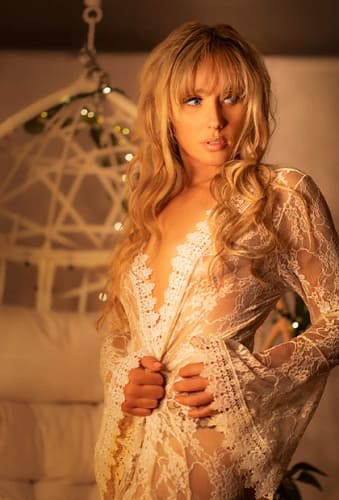
Classic boudoir leans into soft, natural light, gentle curves, and simple, elegant poses. Think lace against skin, a relaxed smile, and warm tones that feel romantic rather than flashy. It’s the style most women picture when they first imagine a boudoir session, and it photographs beautifully for almost any body type, age, or personality. If you want your photos to feel warm and personal rather than high-concept, classic is a safe and stunning place to start.

Glamour Boudoir: Bold and Polished
Glamour style turns the volume up a little. Expect more dramatic lighting, a polished hair and makeup look, and poses that feel confident and a bit more performative — shoulders back, strong gaze, a sense of “I know exactly how good this looks.” It’s a favorite for women who want their boudoir photos to feel like a magazine moment, something that makes them stop scrolling through their own gallery just to look again.
Editorial Boudoir: Fashion-Forward and Dramatic
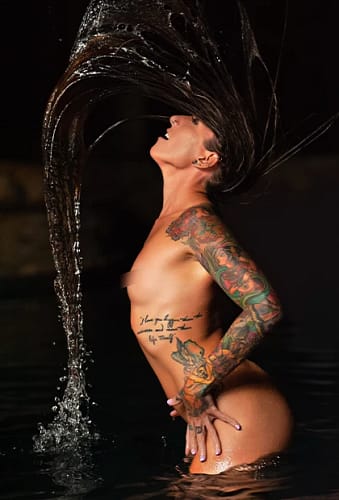
Editorial boudoir borrows from fashion photography. Lighting is more dramatic, poses are more architectural and intentional, and the overall feel is less “soft romance” and more “I belong on a page.” This style tends to appeal to women who are drawn to fashion, who want something that feels artistic and a little daring, and who are comfortable experimenting with sharper angles and bolder expressions.

Black and White: Mood Without the Color
Black and white isn’t really a separate category of posing — it’s a finishing choice that changes the entire mood of an image. Stripping out color puts all the attention on light, shadow, and expression. It tends to make photos feel more timeless and a little more intimate, which is why so many women ask for at least a few black-and-white frames mixed into their gallery, even if color is their main style.
How to Choose the Style That’s Actually You
You don’t have to pick just one, and you definitely don’t have to decide before your consultation. A good starting point is asking yourself a few simple questions:
- When I picture myself in these photos, do I feel soft and romantic, or bold and powerful?
- Do I gravitate toward fashion magazines, or toward warm, candid portraits?
- Do I want my photos to feel like “me on a good day,” or “me transformed”?
- Is there a photo I’ve saved or screenshotted that keeps pulling me back?
There’s no wrong answer here. Most sessions actually blend a little of each style, shifting the lighting and energy from set to set so you leave with a gallery that shows more than one side of yourself.
The most important part isn’t picking the “right” style on paper — it’s working with a photographer who can read what makes you feel confident in the room and guide you there, frame by frame. If you want help figuring out which direction fits you best, you can learn more about what’s included in a session and start the conversation whenever you’re ready.
Your boudoir photos should feel like the most confident version of you, whichever style gets you there. Reach out whenever you’re ready to talk through what that looks like for you.